
How to Naturalize as a Citizen: Full USCIS Guide
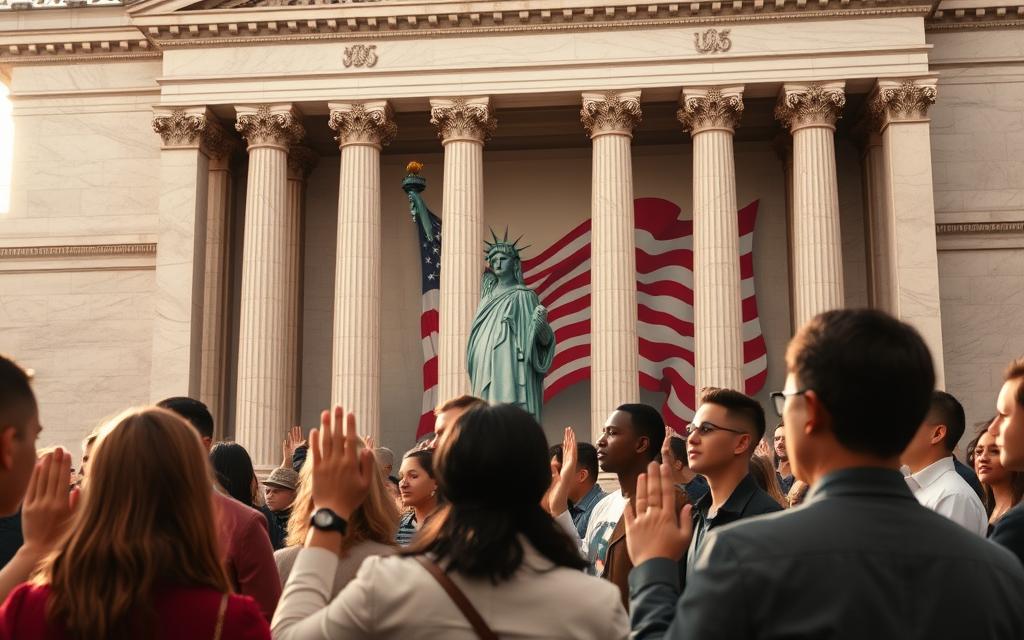
Learn how to naturalize as a citizen with our comprehensive guide. Discover eligibility requirements, application steps, and essential documents needed for U.S. citizenship.
Are you ready to make your American dream real? The path to U.S. citizenship might seem hard. But, knowing the USCIS naturalization process can make it easier.
Becoming a citizen is more than just a legal step. It’s a way to fully join American society. Every year, many permanent residents start this journey. They want to be part of their new country and have all the rights of American citizens.
This guide will help you understand how to become a citizen. We’ll break down the USCIS naturalization process into simple steps. From the first steps to the final oath, we’ll show you the way.
Key Takeaways
- Understand the complete USCIS naturalization process
- Learn eligibility requirements for U.S. citizenship
- Discover step-by-step application procedures
- Prepare for the citizenship interview and civics test
- Navigate possible challenges in the naturalization process
Understanding Naturalization and Citizenship
The journey from permanent resident to U.S. citizen is big for immigrants. It’s the last step to becoming a full U.S. citizen. This step is key to fully joining American society.
Naturalization lets foreign-born people become U.S. citizens. They must meet certain rules set by the Immigration and Nationality Act. This change brings many new chances and rights that permanent residents don’t have.
What is Naturalization?
Naturalization is a way for people to become U.S. citizens. It has several important steps:
- Meeting residency requirements
- Demonstrating good moral character
- Passing English and civics tests
- Attending an official naturalization interview
Benefits of Becoming a U.S. Citizen
Becoming a U.S. citizen brings many great benefits. People who go through naturalization get:
| Citizenship Benefit | Description |
|---|---|
| Voting Rights | Participate in federal, state, and local elections |
| Passport Privileges | Obtain a U.S. passport for international travel |
| Federal Jobs | Eligibility for government employment opportunities |
| Family Sponsorship | Easier immigration process for family members |
Naturalization is more than a legal process—it’s a pathway to fully embracing American identity and participating in the nation’s democratic traditions.
Citizenship attorneys help people navigate complex immigration processes and legal requirements with confidence. They guide applicants through paperwork, interviews, and eligibility checks step by step. Their expertise increases the chances of approval and reduces stress during the journey.
Eligibility Requirements for Naturalization
To become a U.S. citizen, you must meet certain requirements. These rules help make sure you’re ready to be a full member of American society. Knowing these rules is key for those applying to become citizens.
The United States Citizenship and Immigration Services (USCIS) sets clear rules for those wanting to become citizens. Before starting the naturalization process, applicants need to check if they qualify.
General Eligibility Criteria
- Be at least 18 years old
- Hold a valid permanent resident card
- Demonstrate continuous residence in the United States
- Exhibit good moral character USCIS standards
Age and Residency Requirements
USCIS has specific rules for how long you must live in the U.S. to apply:
| Residency Status | Requirement |
|---|---|
| Standard Permanent Residents | 5 years continuous residence |
| Married to U.S. Citizen | 3 years continuous residence |
| Physical Presence | 30 months within 5-year period |
Good Moral Character Standards
Showing good moral character means you act ethically and follow the law. USCIS looks at your past to see if you meet these standards. They check for:
- No serious criminal records
- Consistent tax payments
- Support for family obligations
- Compliance with immigration laws
You’ll need to show lots of proof that you’re ready to be a responsible U.S. citizen. This includes your personal and work life.
The Naturalization Process Overview
Understanding the USCIS naturalization process can be tough. But knowing the steps to become a citizen makes it easier. The path to U.S. citizenship needs careful preparation and patience.
The naturalization timeline has several key stages. Each step moves you closer to becoming a U.S. citizen.
Key Steps in the Naturalization Process
- Verify Eligibility: Check if you meet all USCIS requirements for naturalization
- Complete and Submit Form N-400
- Attend Biometrics Appointment
- Prepare for Citizenship Interview
- Take Civics and English Language Tests
- Attend Oath of Allegiance Ceremony
Naturalization Timeline Breakdown
The whole naturalization process usually takes 12 to 18 months. How long it takes can change based on your situation and the USCIS office workload.
| Process Stage | Average Duration |
|---|---|
| Application Processing | 5-7 months |
| Biometrics Appointment | 2-3 weeks after filing |
| Interview and Test | 6-8 months after filing |
| Oath Ceremony | 1-2 months after interview |
Knowing each part of the USCIS naturalization process helps. It lets applicants prepare well and know what to expect on their citizenship journey.
Preparing Your Naturalization Application
Getting through the N-400 guide can seem tough. But, with the right steps, you can do it. Knowing how to fill out the USCIS form is key. You need to pay close attention and have all your papers ready.

Filling Out Form N-400 Accurately
The N-400 form is your ticket to U.S. citizenship. Here’s how to fill it out right:
- Read each section carefully before filling out
- Use black ink and write legibly
- Answer all questions completely
- Double-check all information for accuracy
Critical Documents to Gather
Getting your USCIS form right starts with the right documents. Make sure you have these important papers ready:
- Permanent resident card
- Valid passport
- Tax returns for the past 5 years
- Marriage certificate (if applicable)
- Employment verification records
Avoiding Common Application Mistakes
Many people struggle with their naturalization application. Stay on track by avoiding these common mistakes:
- Incomplete form sections
- Missing supporting documentation
- Incorrect filing fees
- Outdated forms
Spending time on your N-400 application can really help. Paying attention to details and being well-prepared are your best chances for U.S. citizenship.
Submitting Your Naturalization Application
Applying for U.S. citizenship needs careful steps. Knowing how to send your N-400 application is key. This makes your process easier and faster.
Where to Send Your N-400 Application
It’s important to pick the right USCIS lockbox. Where you send your application depends on where you live:
- Check the USCIS website for the latest address
- Find out which lockbox is for your state
- Use the right address to avoid delays
Application Fees and Payment Methods
The N-400 guide tells you about the fees for becoming a citizen. Here are the current costs:
| Fee Component | Cost |
|---|---|
| Application Processing | $640 |
| Biometrics Fee | $85 |
| Total Application Fee | $725 |
If money is tight, you might get a fee waiver. People who qualify can ask for a waiver because of low income or special situations.
Payment Options
- Personal check
- Money order
- Cashier’s check
Always check with USCIS for the latest payment ways. Being well-prepared helps you send your application smoothly.
The USCIS Biometrics Appointment
The biometrics appointment is a big step in your citizenship journey. Here, you give important personal info for your background check. This is a key part of the USCIS fingerprinting process.
When you get your biometrics appointment notice, get ready carefully. The whole thing usually takes about 30 minutes. You’ll do a few important things:
- Provide government-issued photo ID
- Give digital fingerprints
- Take an official photo
- Sign your name
What Documents to Bring
To make your USCIS fingerprinting citizenship smooth, bring these:
- Your appointment notice from USCIS
- A valid government photo ID
- Your permanent resident card
- Passport (if you have one)
Understanding the Background Check Process
The background check for citizenship looks at your whole life. USCIS uses your biometric data to check your identity. This ensures the naturalization process is safe and fair.
At the appointment, experts will take your biometric info. Your digital fingerprints are very important. They help USCIS do deep background checks.
The Naturalization Interview
The naturalization interview is a big step in the USCIS process. It checks if you’re ready to become a U.S. citizen. You’ll be tested on your English and knowledge of U.S. history and government.
Overview of the Interview Process
Getting ready for your naturalization interview is important. It usually takes 20-30 minutes. You’ll face two main parts:
- English Language Proficiency Test
- Civics Knowledge Examination
- Application Verification
Types of Questions Asked
When getting ready for the citizenship test, expect questions in a few areas:
| Question Category | Purpose | Example Topics |
|---|---|---|
| Personal Background | Verify N-400 Application | Residence, Employment, Family History |
| English Language Skills | Assess Communication Ability | Reading, Writing, Speaking Comprehension |
| Civics Knowledge | Test U.S. Government Understanding | Constitutional Principles, Historical Events |
To do well in the naturalization interview, prepare well. Practice speaking clearly, know your application inside out, and study U.S. history and government. This will help you pass.
Civics Test Preparation
Getting ready for the U.S. citizenship test can seem tough. But, with good study tips, you can feel more confident. The test checks your knowledge of American history and government.

The test has 10 questions. You need to answer 6 of them right. To pass, you must study well and often.
Essential Study Materials
USCIS offers free help to get ready for the test. You can find:
- Official 100 civics questions and answers
- Study guides with detailed explanations
- Online practice test resources
- Instructional videos covering key topics
Effective Study Strategies
Here are some tips for the English test:
- Create flashcards with questions and answers
- Practice reading questions aloud to improve pronunciation
- Study consistently for 15-30 minutes daily
- Use online practice tests to simulate exam conditions
Recommended Study Resources
Check out these good study resources:
- USCIS Official Study Guide
- Local citizenship preparation classes
- Community college workshops
- Online learning platforms with citizenship test prep
Remember, practice often and use a plan to master the civics test. This will help you reach your goal of U.S. citizenship.
Understanding the Oath of Allegiance
The citizenship oath ceremony is the last step for immigrants to become U.S. citizens. It’s a big moment for them. It shows their promise to their new country.
At the ceremony, people promise to stand by the United States. This act makes them full U.S. citizens. They get many rights and duties.
What Does the Oath of Allegiance Entail?
The Oath of Allegiance means a few important things:
- Supporting and defending the U.S. Constitution
- Renouncing allegiance to foreign governments
- Promising to serve the United States when required
Rights and Responsibilities After Naturalization
Being a U.S. citizen brings many benefits. New citizens can:
- Vote in federal and state elections
- Apply for federal jobs
- Get a U.S. passport
- Run for public office
The citizenship oath ceremony is more than a legal step. It’s a celebration of diversity, chance, and commitment to democracy.
Special Situations in Naturalization
The naturalization process can change a lot based on your situation. Some people might have special ways to get U.S. citizenship that are different from usual rules. This part talks about special cases that can make getting military or spouse citizenship easier or faster.

Naturalization for Military Members
People in the military get special help with becoming U.S. citizens. The U.S. government knows how much military folks do for the country. So, they make it easier for them to get citizenship.
- Expedited naturalization for active-duty service members
- Potential waiver of typical residency requirements
- Simplified application process for military personnel
Military folks can get citizenship while they’re serving or right after they’re done. They can apply for citizenship while serving or soon after they finish their duty.
Naturalization for Spouses of U.S. Citizens
Spouses of U.S. citizens have their own special ways to get citizenship. The process for spouses is faster and has fewer rules about living in the U.S.
- Reduced residency requirement from five to three years
- Simplified documentation process
- Potential benefits for dual citizenship considerations
Even though there are special rules, spouses must also pass the civics test and show they’re good people. This way, they can become U.S. citizens faster.
Dual Citizenship Considerations
Knowing about dual citizenship is key for special naturalization cases. Some people can keep their original citizenship and also become U.S. citizens.
Every situation is different and needs careful checking. Talking to an immigration lawyer can help figure out the best way to handle dual citizenship.
Common Challenges in the Naturalization Process
Getting U.S. citizenship can have surprises. Knowing about challenges in the naturalization process helps. This way, applicants can prepare and avoid delays.
The journey to citizenship isn’t easy. Many hurdles can pop up. An immigration lawyer can offer great advice during these times.
Addressing Application Delays
Delays in naturalization happen for many reasons:
- Incomplete USCIS naturalization form submissions
- Background check complications
- Missing supporting documentation
- High volume of applications in processing
Strategies for Managing Application Challenges
To deal with delays, applicants should:
- Check all USCIS naturalization form help resources
- Answer quickly to any request for more evidence
- Keep your contact info up to date
- Think about getting legal help if needed
Handling Application Denial
An application denial doesn’t mean it’s over. Knowing why it was denied is key. You might:
- File an appeal with USCIS
- Try again after fixing what was wrong
- Get legal advice for your case
USCIS offers lots of help for challenges. Being patient, well-prepared, and getting professional help can help you through the naturalization process.
Resources for Naturalization Assistance
Getting U.S. citizenship can seem hard. But, many resources help immigrants on this journey. You can find help from the government and community groups.
Getting the right help is key. An immigration lawyer can guide you, even with tough cases. Many people find it helpful to get professional help.
Official USCIS Resources
- USCIS Online Tools and Practice Materials
- Free Study Guides for Citizenship Test
- Customer Support Helpline
- Official Website Information Centers
Non-Profit Organizations Providing Guidance
Many groups offer free or cheap help for citizenship. They can explain if you qualify and help with fees.
- International Rescue Committee
- Catholic Charities
- Local Immigrant Support Centers
- Community Legal Aid Services
Finding Professional Legal Support
When picking an immigration lawyer, look for these things:
- Specialization in citizenship cases
- Proven track record of successful applications
- Clear communication and transparency
- Reasonable and transparent fee structure
While professional help is great, you can also prepare on your own. The most important thing is to find the right support for you.
Maintaining Your Citizenship Status
Becoming a U.S. citizen is a big step. After you do, knowing your new duties and rights is key. This helps you keep enjoying the benefits of being a U.S. citizen.
Being a U.S. citizen means you have big responsibilities. These duties help keep the U.S. democratic values strong.
Core Citizen Responsibilities
- Obey federal, state, and local laws
- Pay federal and state taxes
- Serve on a jury when called
- Participate in the democratic process by voting
- Respect the rights of others
Navigating Dual Citizenship Considerations
The U.S. lets you have dual citizenship. But, knowing the legal side is very important. You need to be careful to keep your U.S. citizenship safe.
| Dual Citizenship Aspect | Key Considerations |
|---|---|
| Foreign Passport | Can be kept without losing U.S. citizenship |
| Voting in Foreign Elections | Usually okay without risking U.S. citizenship |
| Military Service Abroad | Must not show you want to give up U.S. citizenship |
Living Abroad as a U.S. Citizen
If you’re moving outside the U.S., follow these steps to keep your citizenship:
- Register with the nearest U.S. embassy or consulate
- Keep filing U.S. tax returns
- Renew your U.S. passport often
- Stay up-to-date on U.S. laws
Keeping your U.S. citizenship is a big job. It needs your active help and understanding of your rights and duties.
Conclusion: Your Path to U.S. Citizenship
Getting through the USCIS naturalization process takes hard work, patience, and good planning. Becoming a U.S. citizen is a big deal. It means starting a new chapter in your life.
The steps to become a citizen might seem hard. But, breaking it down makes it easier. You’ll need to get documents, prepare for interviews, and pass tests. Stay on top of things and meet deadlines.
People who become citizens do well because they prepare a lot. They study hard, practice English, and learn about U.S. citizenship. Remember, it might take a few months. Stay positive and patient.
Being a U.S. citizen is more than a legal status. It lets you join in democracy and help your community. Use local resources, talk to experts, and know what to do next. Your dream of U.S. citizenship is possible.