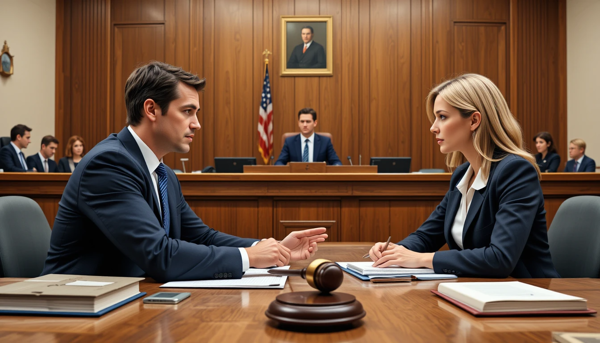
Collaborative Lawyers: Revolutionizing Dispute Resolution Methods

Collaborative lawyers offer a unique approach to resolving disputes, particularly in the context of divorce. By focusing on open communication and mutual respect, we aim to help parties reach amicable agreements outside the courtroom. Collaborative law serves as a form of alternative dispute resolution that empowers individuals to maintain control over their choices, minimizing the adversarial nature of traditional legal processes.
In the divorce process, collaborative lawyers facilitate discussions, ensuring that all voices are heard and considered. This method often results in more satisfying outcomes, as it emphasizes cooperation rather than conflict. By prioritizing the needs of both parties, we create a supportive environment where productive dialogue can occur.
Our commitment to a professional tone and approach underlines the importance of maintaining dignity and respect throughout the process. Collaborative law not only saves time and resources but also fosters an atmosphere of understanding and empathy. Engaging with a collaborative lawyer can be an empowering way to handle sensitive issues with integrity and grace.
Fundamentals of Collaborative Law
Collaborative law promotes a respectful and solution-focused process for addressing family law disputes. It highlights collaboration over conflict, using specially trained attorneys to guide parties towards a mutual agreement without litigation.
Defining Collaborative Divorce
Collaborative divorce is a legal process providing an alternative to traditional divorce litigation. Both parties commit to resolving their disputes with transparency and cooperation. This approach minimizes adversarial confrontations, prioritizing the interests of all parties involved.
Key features include a pledge not to go to court, maintaining confidentiality, and involving a team of collaborative professionals. The process often includes attorneys, financial advisors, and mental health professionals. This holistic approach ensures comprehensive support throughout the separation, focusing on practical and emotional needs.
Role of Collaborative Lawyers
Collaborative lawyers play a crucial role in guiding clients through dispute resolution. They are specially trained in conflict management and negotiation strategies. Their primary focus is on helping clients find amicable solutions while preserving relationships.
These attorneys facilitate open communication and create a safe environment for dialogue. They also manage the legal aspects of the agreement, ensuring that all decisions comply with legal standards. By promoting transparency, collaborative lawyers reinforce trust among all parties involved.
Benefits of Choosing Collaboration Over Litigation
Choosing collaboration over litigation offers several distinct benefits. This process often leads to quicker, less costly resolutions as it avoids prolonged courtroom battles. Clients have more control over outcomes, tailoring solutions to their specific needs.
Another significant advantage is the preservation of relationships, which is particularly crucial when children are involved. By fostering a cooperative atmosphere, collaborative law reduces animosity and fosters a healthier post-divorce adjustment.
Moreover, it provides a private setting for discussions, maintaining confidentiality and reducing public exposure. With these benefits, collaboration emerges as a preferred choice for many seeking amicable settlements.
Collaborative Divorce Process
In a collaborative divorce, we work towards resolving disputes without going to court. This involves creating a supportive environment where both parties, along with their attorneys, collaborate to reach a fair settlement. Trust is essential throughout the process to ensure successful outcomes.
Steps in the Collaborative Divorce Process
The process begins with both spouses and their respective divorce attorneys signing a participation agreement. This agreement outlines their commitment to transparency and cooperation.
We then engage in a series of meetings to discuss division of assets, spousal support, and any other pertinent issues. Open communication is key during these sessions to facilitate understanding and compromise.
Everything is documented in a detailed settlement agreement. Should both parties agree, the agreement is submitted to the court for final approval. Child custody, visitation, and child support are carefully reviewed to ensure the best interests of the children are prioritized.
Creating a Collaborative Team
A successful collaborative divorce often involves a broader team. Besides the divorce attorneys, we may include specialists such as a financial specialist and a child specialist.
The financial specialist helps us analyze assets and liabilities, aiding in a fair distribution. This ensures both parties have a clear understanding of their financial situation and obligations.
The child specialist can provide insights into creating a thoughtful parenting plan. This involves considering each parent’s capabilities and availability to determine a suitable visitation schedule that minimizes disruption for the children.
Legal and Emotional Support Mechanisms
Addressing both legal and emotional needs is critical. We ensure that legal advice is supplemented with emotional support, considering the mental well-being of both parties.
Collaborative meetings often include mental health professionals who offer guidance on managing the stress that may accompany a divorce. They help us navigate emotional challenges, fostering a healthier process.
Trust between all parties, including both spouses and professional advisors, supports a smoother negotiation process. Building this trust enables us to effectively address concerns about child custody, parenting arrangements, and financial agreements.